
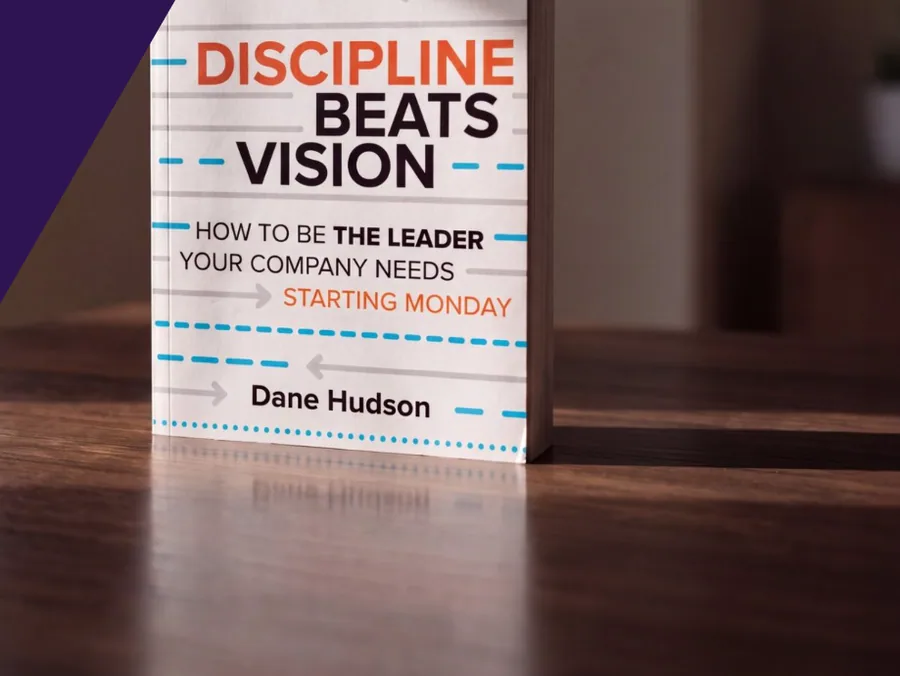
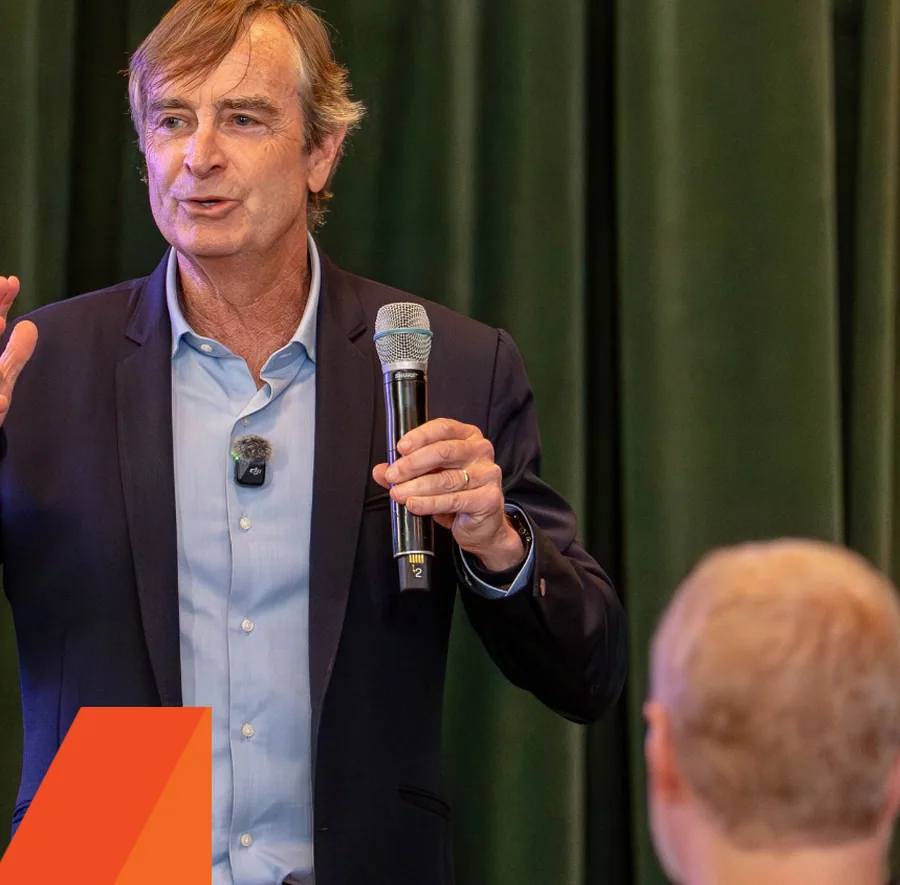
Book published, press landing, a keynote booked. The site had to exist before the spotlight, not after.

Dane Hudson: built before the spotlight
A keynote speaker with a Wiley book and coverage landing in three countries had two websites from two different chapters, and a 600-person keynote six weeks away. The brand and the sites had to be ready first.
A book out with Wiley, coverage landing across three countries, and a 600-person keynote six weeks away. Dane Hudson's next chapter was already arriving. The job was to have the brand and the websites ready for it.
The deadline was the brief
Dane spent 25 years as a global CEO before he started talking about it for a living. He has mentored more than 150 CEOs and trained over 900 leaders. When he walks off a stage, that audience googles him the same night, from their seats. Whatever they find is the follow-up. A brand can be improved at any time. It can only be launched before the spotlight once.
people in the room for the keynote
at the event that follows
Two websites from two different chapters
Dane already had two sites, and we had built both of them, at different times and for different circumstances. The mentoring site had carried that side of the business through its first chapter and done its job: one offer, one market, no book, no international media. Neither was ever designed as part of a set, and the book, the thing with a publisher behind it, was sitting as a promotional item rather than the idea everything else hung from.
Discipline Beats Vision became the organising idea
We started with the brand rather than the pages. It is the through-line that makes a keynote, a mentoring practice and a book feel like one person's work instead of three side projects.
Two families of orange were in circulation, depending on which file you opened. A token-locked palette settled them into one value that lives in one place.
The angle from the logo mark, applied everywhere. One rule applied everywhere is what makes a brand feel deliberate rather than decorated.
Verified on every text and background pairing, not spot-checked. The brand hub carries the measured ratios.
What the people who book speakers look for
Bureaus and event organisers work to a checklist, and the speaker site had grown up before that checklist mattered. The one thing that decides a booking is footage of the person holding a room, alongside the bios, headshots, AV specs and MC intros a bureau expects to find without asking. So the new speaker site was built for that checklist first, and for everyone else second.
Two sites, two jobs. A third for the book.
The advisory site converts CEOs, boards and private equity into conversations. The speaker site converts organisers and bureaus into bookings. Splitting them means each one's search authority builds on its own offer instead of the two competing for the same ground. The book site is the third piece, with live review feeds from Amazon and Goodreads so the proof keeps arriving without anyone maintaining it.
Recreated from the book site's feed component. Real reviews render there, without anyone maintaining it.
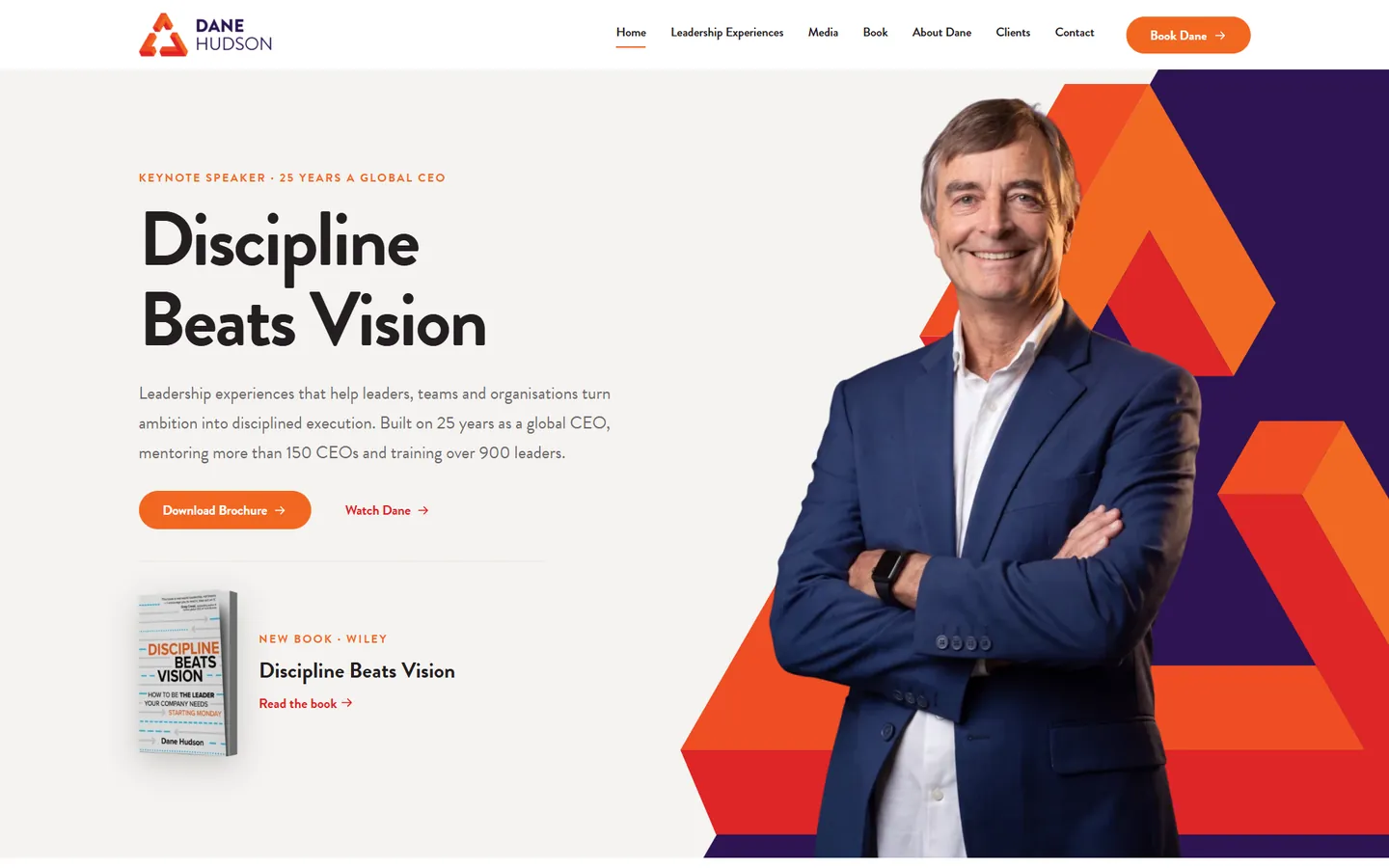
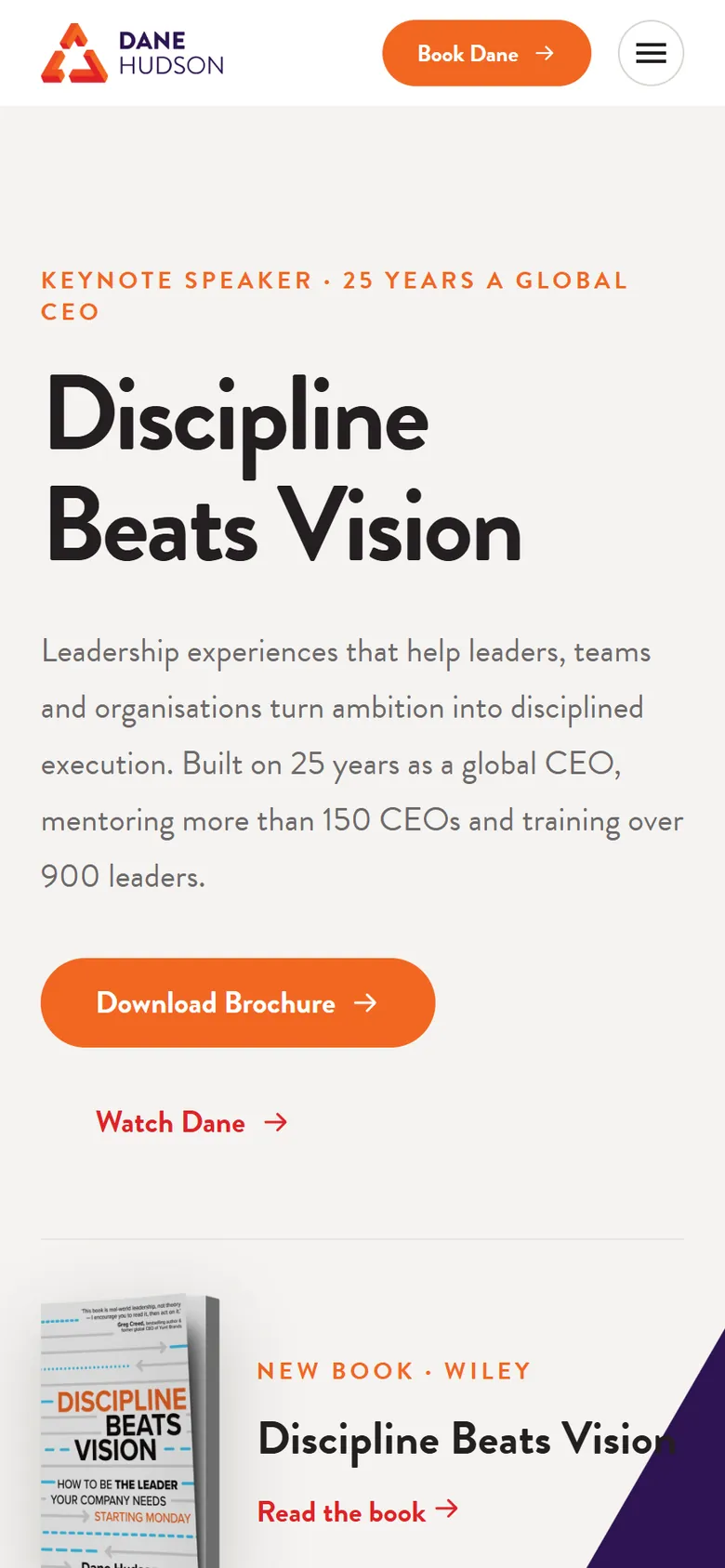
Three sites, one brand. See them live.
Same tokens, same type, same diagonal, three different jobs. Each one is a click away.



Search, planned before the sites were drawn
Each site owns its own phrases and none of them compete. The speaker site takes the keynote terms, the advisory site takes leadership development and executive coaching, and the book site takes the title. Titles, descriptions and structured data were written to that map before launch, and the redirect map keeps what the old sites had already earned.
Built before the spotlight
Three connected properties, one brand, six weeks. Structured data so AI search engines describe him accurately rather than guessing. Core Web Vitals treated as a build requirement rather than a post-launch clean-up. A full redirect map, so nothing that was already ranking was lost in the move. The site had to exist before the press did. That was the whole job.
Editing from the front of the site, no developer, no ticket. New coverage goes up the day it lands.
One idea, one palette, one diagonal. The brand hub goes up on its own subdomain.
Built for the bureau checklist and the boardroom respectively, on the same system.
Review feeds live, photography and video in, redirects mapped.
600 in the room. The site is what they find that night.
Week groupings are approximate; the sequence (brand, then sites, then launch) is exact.
Is there a date your website has to be ready by?
Brand through to build, sequenced to the deadline rather than the calendar. Tell us the date and we will tell you what has to be true by then.