
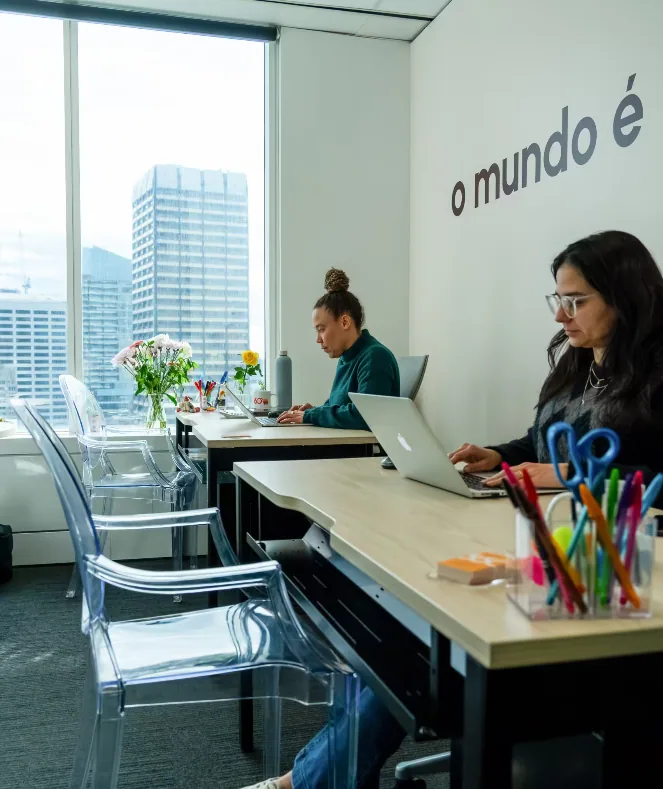
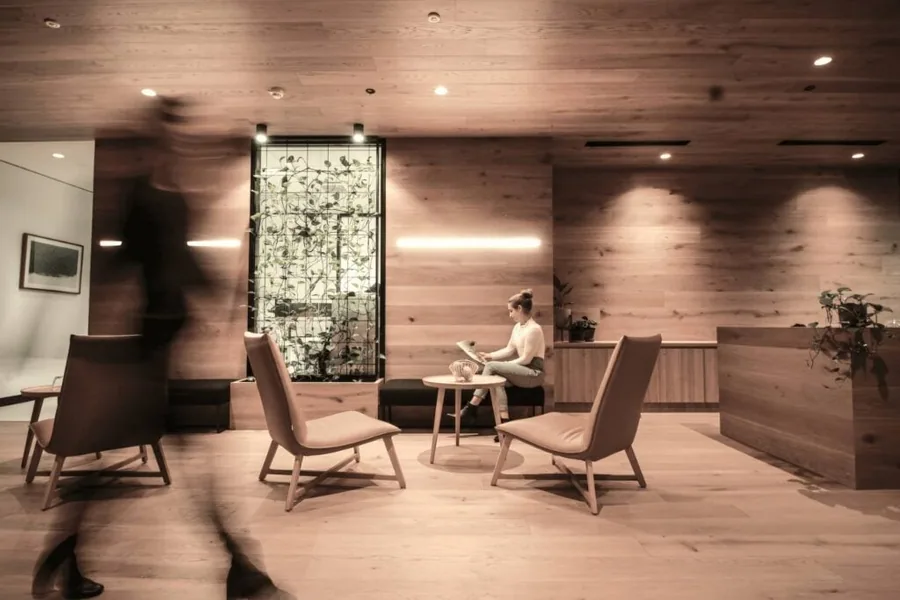
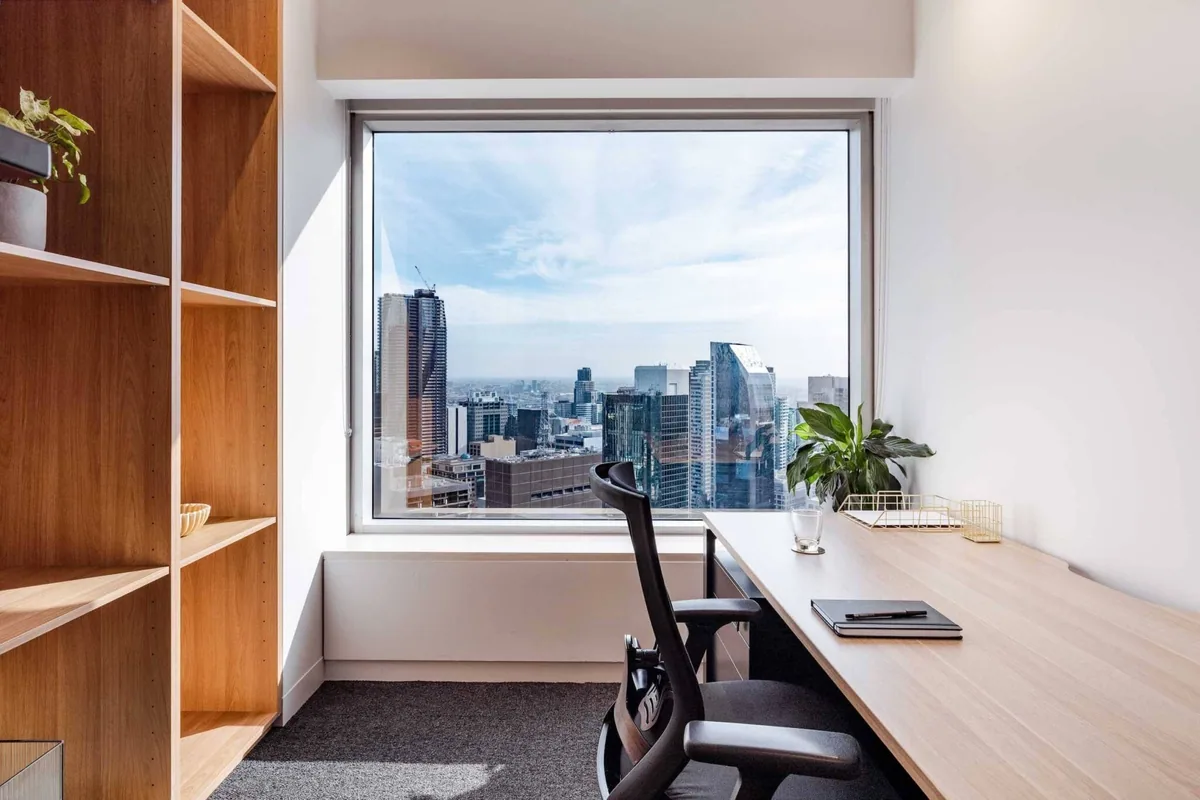
Six locations, three cities, and one thing no other serviced office can say: it was built by lawyers, for lawyers.

Clarence Workspaces: new name, new platform, nine weeks
A new name, a new domain, a new design and a new platform, all at once. Sixty-four pages rebuilt in nine weeks, with nothing lost in the move.
Clarence had a rebrand to launch, sixty-four pages to rebuild, and paid campaigns already booked to point at the new domain from the first of September. Most businesses would change one of those things at a time and give themselves a year to do it.
Four changes that each carry their own risk
Any one of those is a project. Together they compound: a redesign hides the cause of a traffic drop, a domain move hides it further, and a platform change means you cannot diff the old site against the new one to find out what broke. The only way through is to be deliberate about every layer and to test every one of them on staging before anything moved.
The problem underneath the redesign
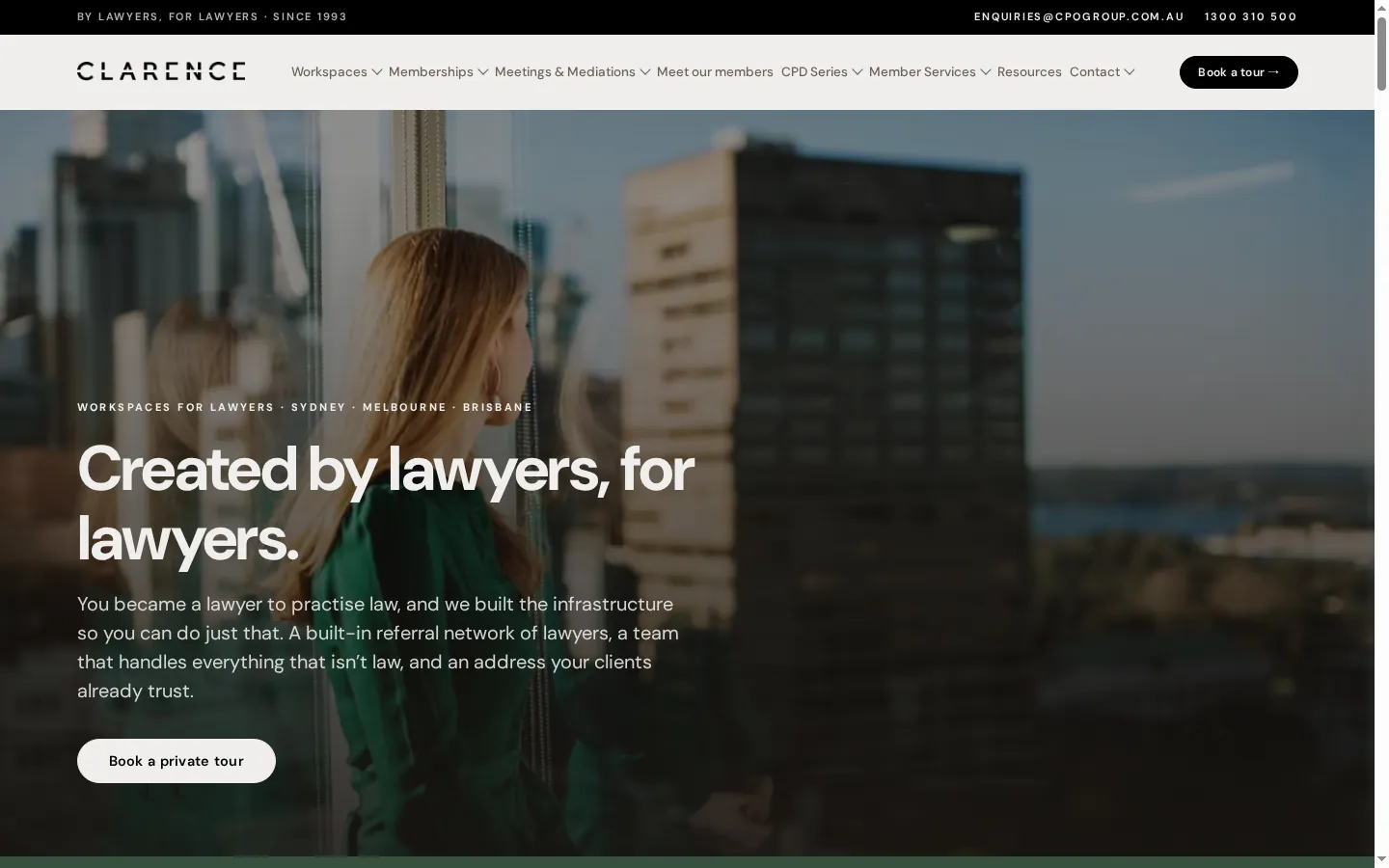
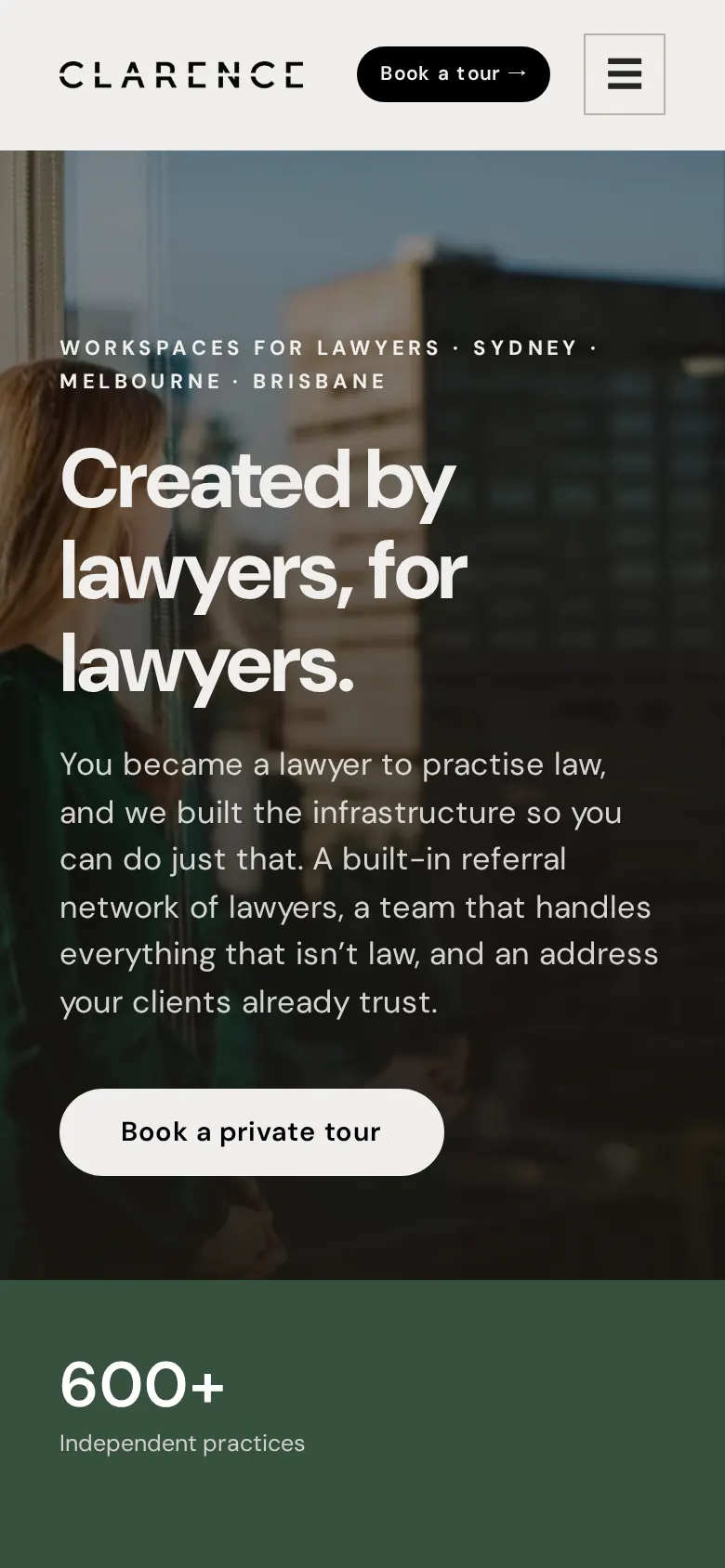
Leonie Cranney's own diagnosis, published after launch, was that the site served people who had already decided and offered nothing to anyone still in research mode. So the new site carries a journey for each persona at each stage of the funnel, with different calls to action rather than one.
Source: Clarence's own figures, published by Leonie Cranney after launch.
From real estate led to member led
Lawyers do not want to hear about a workspace from the workspace. That reshaped the design brief before a single page was drawn. Video became the primary format instead of interior photography. Member stories moved from a testimonial strip at the bottom of a page to the substance of the page. The building stopped being the subject.

“The old one talked about offices. This one leads with our members, in their own words, which is the right way around.”
The platform gamble
The old site was Elementor, propped up by a stack of dependent plugins, the kind of arrangement where one update in one of them can take the site with it. We proposed a new platform the day after the green light: WordPress, built on Etch. Cleaner markup and far less of it, no plugin stack to keep alive, a real design system the marketing team could work inside, and pages light enough to serve already rendered. Two weeks later an Elementor update took the old site down worldwide. We restored it from backup the same day, and the argument stopped needing to be made.
The homepage went from roughly 1.16 MB of HTML to about 170 KB, served already rendered.
Nothing to update that can take the site down with it. Elementor and its dependents were retired outright, not carried across.
Around 45 shared styles and five patterns, so the marketing team changes the site without a developer and without drifting off brand.
Building pages, ~270 member profiles and 62 meeting rooms rendered from data, with live booking links.
Keeping the visibility through the move
Clarence had an unusual asset to protect. Ask an AI assistant where a lawyer should set up their own practice and Clarence came back first. That is not something you rebuild from scratch if you lose it in a migration, so the brief treated it as a requirement rather than a nice-to-have.
Content served already rendered instead of assembled in the browser.
An access audit across seven AI crawler user agents through Cloudflare.
On every page that discusses cost.
A pillar-and-satellite structure so each question has one obvious home rather than three competing ones.
Search, before launch
The questions came before the pages. We pulled what people in Sydney, Melbourne and Brisbane actually search for around serviced offices, virtual offices and meeting rooms, gave each one a single home on the new site, and wrote every title and description to fit. The FAQ schema and the pillar-and-satellite structure came out of the same list, and Search Console and the paid campaigns picked up the same map on day one.
The migration nobody sees
Moving domain carried a backlink profile in the low thousands, a Search Console property change, and paid campaigns pointing at specific landing pages from the first of September. Around fifty redirect rules were audited and rebuilt, and the table was worse than it looked. Nobody asked for that audit. We took a backup, fixed all of it, and wrote down what changed.
Plus one query-string flag that stopped any link with tracking parameters from redirecting at all.
What moved with the domain
A domain change only looks like a name change. Everything the old address had earned had to arrive at the new one, on the right page, on day one.
clarenceprofessionalgroup.com.au and cpogroup.com.au both 301 to clarenceworkspaces.com.au, page for page.
Every inbound link resolves to the matching page on the new domain rather than a home page or a 404.
Search Console moved to the new domain, the paid campaigns landed on their intended pages, and Google Tag Manager was configured so tour bookings and enquiries are measured as conversions, not guessed at.
A download gate for protected files, a live help route with thousands of hits, and seven published articles.
A sign-off tool instead of an inbox
Sixty-four pages is too many to approve over email. So we built a private site plan page: every page in hierarchy, each with a status, and a plain-English note on what it was for. Leonie could approve or comment per item, and the comments lived in their own table rather than in a thread. When she asked for comment editing, it shipped the same day.
What went live
Green light on 15 June, proposal signed 2 July, staging preview 28 July, live on 1 September. Nine weeks from signature, including three rounds of changes in the final week. The homepage went from roughly 1.16 MB of HTML to about 170 KB.
A new platform proposed the next day.
Two weeks after the green light, the old site went down on a plugin update.
Sixty-four pages approved through the sign-off tool.
Three rounds of changes in the final week. Paid campaigns on the new domain from day one.

“Amazing to work with. Fast, responsive and really impressive skills. Redeveloped our website with amazing results, made the process easier than I've experienced in a number of website projects across my career, and everyone is impressed with the end product.”
Built as a system
The marketing team changes the site without a developer and without drifting off brand. Two of Leonie's own tools became features rather than attachments: her interactive map became a per-building neighbourhood map with server-rendered lists, and her CPD landing pages became an events system.
A monthly care plan started in August. In September she handed over Search Console and Ahrefs.
Outgrown your name, your platform, or both?
The risky part is not the design. It is everything underneath that has to survive the change. Tell us what you are planning and we will tell you what we would do about it.